We Woke The World
Experience True Body Sculpting With Non-Invasive Fat Reduction in Seoul
After weeks of stubborn lower-abdomen fullness that resists diet and exercise, a Seoul clinic offers a targeted solution through non-invasive fat reduction Seoul. This approach employs controlled cooling or focused ultrasound to crystalize and eliminate fat cells beneath the skin, without needles, surgery, or downtime. Over a series of 30-to-60-minute sessions, the body’s lymphatic system naturally processes the disrupted cells, typically yielding a 20–25% reduction in treated fat layer thickness. Non-invasive fat reduction Seoul is best utilized as a body-contouring adjunct, with patients maintaining results through consistent hydration, light massage, and regular physical activity across the 8-to-12-week post-treatment window.
What Exactly Is Non-Invasive Body Contouring and How Does It Work in Seoul?
Non-invasive body contouring in Seoul refers to targeted fat reduction procedures that destroy adipocytes without surgery, needles, or downtime. In clinics across Gangnam and Jamsil, the most common methods are cryolipolysis (like CoolSculpting) and high-intensity focused ultrasound (like Ultraformer), both of which use controlled energy to crystallize or heat fat cells beneath the skin. Over the following 2–3 weeks, your lymphatic system naturally metabolizes these damaged cells, which are then excreted—resulting in a measurable inch loss by week 6–8. Unlike liposuction, sessions run 30–60 minutes, and you can immediately return to work or sightseeing. For optimal outcomes, Seoul practitioners typically recommend 3–4 sessions spaced a month apart, depending on your baseline body fat percentage. Hydration and light walking post-treatment accelerate lymphatic drainage significantly. However, contouring is a sculpting tool, not a weight-loss solution, so maintain your usual diet and exercise routine. Always request a personalized mapping assessment before your first session to ensure the probe targets your specific fat pockets, such as the lower abdomen or bra line.

Which Technologies Are Most Commonly Used for Painless Fat Melting in Seoul Clinics?
In Seoul’s clinics, cryolipolysis (fat freezing) remains the most common technology for painless fat melting, with devices like CoolSculpting Elite targeting stubborn abdominal and flank fat through controlled cooling. Equally prevalent is high-intensity focused ultrasound (HIFU), such as Ultraformer III, which thermally disrupts adipocytes without incisions. Radiofrequency (RF) systems, including Vanquish and Accent Prime, deliver volumetric heating to fat layers, and laser-based treatments like iLipo use low-level energy to emulsify fat cells. Most Gangnam clinics combine these modalities based on body area and density, prioritizing dual-application protocols for symmetrical results. Each technology requires no anesthesia and fits a 20–40 minute session, preserving normal daily routines.

Seoul clinics rely on cryolipolysis, HIFU, RF, and laser technologies for painless fat reduction, often pairing two methods in a single visit for enhanced contouring outcomes.
How Many Sessions Will You Actually Need to See a Visible Difference?
Most clients notice a visible difference after 2–3 sessions of non-invasive fat reduction in Seoul, though this depends on your baseline fat thickness and the device’s energy level. The first session typically produces subtle changes—often just slight softening—because the body needs weeks to flush out disrupted fat cells. By the second session, you may see a clearer contour shift, especially if you target a small area like the chin or flanks. For meaningful, photographable results, plan for 3–4 sessions spaced four to six weeks apart, as this aligns with your lymphatic clearance cycle. Visible results from non-invasive fat reduction in Seoul are cumulative, not instant, so realistic scheduling matters more than cramming sessions together. Q: How many sessions will you actually need to see a visible difference? A: Expect initial changes after two sessions, but commit to at least three for a difference others can notice without you pointing it out.
How to Choose the Right Clinic for Body Sculpting Without Surgery in Seoul
When selecting a clinic for non-invasive fat reduction in Seoul, prioritize those that offer a consultation with actual body-mapping technology, not just a sales pitch. Ask to see their device lineup—cryolipolysis, HIFU, or??—and verify they tailor the protocol to your specific fat thickness and skin laxity. A trustworthy clinic will let you test a small area first and show you before-and-after photos of patients with your body type. For how to choose the right clinic for body sculpting without surgery in Seoul, insist on a transparent breakdown of sessions needed and total cost upfront, avoiding packages that pressure you into endless add-ons. The right provider will openly discuss expected outcomes and downtime, ensuring you leave with a clear, realistic plan rather than vague promises.
What Should You Look for in a Machine or Device Before Booking a Consultation?
Before booking a consultation for non-invasive fat reduction in Seoul, scrutinize the specific device’s **FDA clearance or KFDA approval** for the exact technology offered—not just the clinic’s general credentials. Ask which generation of the machine they use; older models of cryolipolysis or HIFU deliver weaker results than current versions. Verify the device’s applicator size and shape—does it match your target area, like submental fat versus flanks? Confirm whether the system has real-time cooling or temperature sensors to prevent burns, and request before-and-after photos taken with the same machine. Also, check if the device offers adjustable energy levels, allowing your practitioner to tailor intensity to your tolerance and anatomy, ensuring safer, more consistent outcomes.

Key Questions to Ask Your Provider About Safety and Comfort During the Procedure
Before committing to any Seoul clinic, ask your provider directly how they tailor pain management to your tolerance, since non-invasive fat reduction still involves intense sensations. Inquire about the specific cooling or heating pad’s contact points and whether they offer breaks mid-session if discomfort peaks. Crucially, request a live demonstration of the handheld applicator on your inner arm—this reveals real-time pressure and suction strength. Ask what backup protocols exist if you experience sudden dizziness or cramping, and whether a nurse stays beside you throughout. Finally, confirm how they assess your skin’s reaction between passes, ensuring they adjust energy levels immediately. Asking about real-time comfort adjustments separates patient-centered clinics from rushed assembly lines. If they hesitate on any safety question about your session, walk out.
What Are the Real Benefits of Choosing Non-Surgical Fat Removal in Seoul Over Other Cities?
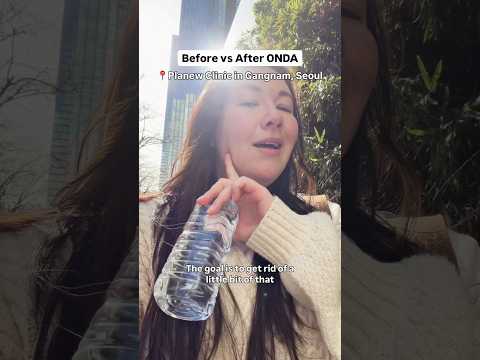
Choosing non-surgical fat removal in Seoul offers practical advantages rooted in treatment density and technological access, not hype. Clinics here often use multiple FDA-cleared or KFDA-approved devices—like cryolipolysis, high-intensity focused ultrasound, and radiofrequency—in a single session, which means you can target different fat depths and skin laxity in one visit, reducing total downtime compared to booking separate procedures elsewhere. Because the city’s aesthetic sector treats thousands of international patients annually, protocols are streamlined for rapid recovery: many providers offer same-day follow-up adjustments if you experience swelling or uneven results, something rarely available abroad.
The real edge is the ability to combine modalities at a fraction of the per-session cost seen in Western capitals, letting you afford more comprehensive contouring without surgery.
This practical bundling, paired with experienced technicians who handle diverse body types daily, yields more predictable shape outcomes than isolated single-device treatments common in other cities.
Why Is the Precision and Customization of Treatments Here Considered a Major Advantage?
Precision in Seoul’s non-invasive fat reduction stems from advanced imaging that maps subcutaneous fat layers, allowing clinicians to target specific adipocyte clusters rather than broad zones. Customization here means adjusting cooling or ultrasound energy delivery based on your tissue density, BMI, and asymmetry—so a lower abdomen or inner thigh receives exactly the required dosage. This individualized calibration reduces downtime while maximizing contour smoothness, preventing the lumpy results seen with one-size-fits-all protocols. Seoul’s treatment precision advantage lies in iterative real-time adjustments during sessions, where clinicians modify parameters based on immediate skin response. Unlike standardized packages abroad, your plan is rebuilt each visit based on visualized progression. Individualized calibration ensures no two sessions are identical, optimizing safety and outcome.
**Why Is the Precision and Customization of Treatments Here Considered a Major Advantage?**
Because it transforms a generic procedure into a site-specific sculpting process—each pulse, suction level, or thermal setting is chosen for your unique fat lobule structure, not a template. This lowers the risk of over-treatment in delicate areas and enhances long-term contour stability.
How Does the Lack of Downtime Fit Into a Short Visit or Busy Travel Schedule?

For travelers landing in Seoul with only a layover or a 48-hour stopover, the absence of downtime transforms non-invasive fat reduction into a logistical non-event. Unlike surgical options that mandate recovery days, a session can be slotted between a morning palace tour and an evening flight, with zero impact on itinerary density. Because there is no anesthesia or incision, you avoid the mandatory rest period that would otherwise consume your limited hours. This allows you to book procedures on your arrival day or the night before departure, maximizing sightseeing while still addressing body contouring goals. The critical advantage is that zero recovery time preserves your entire sightseeing schedule, meaning you never have to choose between exploring Seoul and treating yourself—the clinic visit simply operates as one more efficient, compact stop on a bustling itinerary.
Step-by-Step Guide to Preparing for Your First Fat-Freezing or Ultrasound Session
Before your first fat-freezing or ultrasound session in Seoul, start by booking a consultation at a clinic near Gangnam or Sinsa, where practitioners will map your target areas with a handheld device. Two weeks prior, hydrate aggressively and avoid alcohol, as Korean clinics emphasize water intake to optimize lymphatic drainage post-treatment. On the day, wear loose, dark clothing—you’ll change into disposable paper shorts, and cold gel or a suction pad will press against your belly or love handles. Expect a 30-minute numb ache during fat-freezing; for ultrasound, a warm, vibrating wand glides over the same spot. Your main job is to eat a light meal beforehand—a kimbap or banana—so you don’t feel faint from the machine’s pull.
Most Seoul clinics offer a free 10-minute skin elasticity check first, which changes the applicator size they choose for you.
End by scheduling your follow-up in six weeks, since Korean aesthetic norms treat this as a single step in a longer shaping routine.
What Should You Avoid Eating or Drinking Before a Non-Invasive Slimming Appointment?
Avoid heavy, fried, or high-sodium meals for at least four hours before your session, as bloating can interfere with applicator placement and comfort. Steer clear of alcohol and caffeine on the day of your appointment—both dehydrate tissues and may heighten sensitivity during the procedure. Skip carbonated drinks and excessive sugar, which can cause water retention and distort the targeted fat layer. Stick to light, hydrating foods like vegetables and lean protein, and drink plenty of water. Proper pre-appointment food and drink choices directly influence your fat-freezing results by reducing inflammation and maximizing crystal-clear tissue targeting.
Q: What Should You Avoid Eating or Drinking Before a Non-Invasive Slimming Appointment?
A: Avoid alcohol, caffeine, carbonated beverages, and heavy, salty, or sugary meals—these cause bloating, dehydration, or water retention that can reduce the treatment’s precision and your comfort.
How to Dress and What to Bring to Maximize Your Comfort and Results
Wear loose, comfortable clothing that can easily expose the treatment area—think zip-up hoodies, elastic waistbands, or wide-leg pants. Tight denim or shapewear can press on the skin post-session, increasing discomfort and potentially interfering with the lymphatic drainage that enhances results. Bring a light scarf or cardigan, as clinic rooms are often cool, and you will remain still for 35–60 minutes. Pack a water bottle with electrolytes to hydrate before and after; this supports the body’s natural clearance of treated fat cells. Also, carry a small snack—protein or fruit—since some patients feel mildly lightheaded after ultrasound or cryo applicators. Skip heavy metal jewelry near the treatment zone and remove any numbing creams or lotions from the skin. Following this pre-session comfort checklist ensures you stay relaxed and ultimately boosts your treatment efficacy.
What Results Can You Realistically Expect and How Do You Maintain Them After Returning Home?
Realistically, after a session or two of non-invasive fat reduction in Seoul, you won’t see dramatic changes immediately—expect gradual slimming over 6 to 12 weeks as your body flushes out treated fat cells. Most people notice a firmer contour, not a major weight drop, and final results typically settle by week 12. To maintain them after returning home, you must lock in the outcome with consistent hydration, regular cardio, and strength training, since remaining fat cells can still expand. Avoid crash diets; instead, keep a stable, protein-rich eating pattern. Also, schedule a single touch-up session in Seoul six months later if your budget allows—this helps sustain the sculpted look far longer without relying on repeat trips. Realistic maintenance after Korean fat reduction hinges on lifestyle, not miracle promises. Sustaining non-invasive fat reduction results means treating your body as the long-term partner in the process.
How Soon Will You See Changes and When Do Final Results Typically Settle?
In Seoul’s non-invasive fat reduction clinics, the first visible changes typically emerge at the three-week mark post-treatment, when lymphatic drainage reduces swelling and early cellular breakdown becomes perceptible. Most patients in Gangnam or Apguroeng notice a subtle contour shift by week four, but this is not the final outcome. The biological process of phagocytosis—where macrophages clear disrupted adipocytes—continues for up to twelve weeks. Final results generally settle between weeks ten and fourteen, depending on the device (CoolSculpting, UltraShape, or bodyTite) and the treated area’s vascularity. Your adherence to a stable weight during this window matters more than any clinic-side protocol. The sequence you will experience is:
- Mild swelling (days 1–7), masking any effect.
- Initial softening and inch loss (weeks 2–4).
- Progressive reduction in fat layer thickness (weeks 5–9).
- Stable, final contour (weeks 10–14).
Do not judge results before week eight, as delayed responders show minimal change until then.
Simple Lifestyle Habits That Help Preserve Your New Contours Without Extra Effort
Preserving results from non-invasive fat reduction in Seoul does not require a rigorous regimen, but rather the consistent application of micro-habits that protect your new contours without adding cognitive load. The primary mechanism of maintenance is stabilizing your post-treatment metabolic baseline, which means prioritizing daily hydration to support lymphatic drainage and prevent fluid retention that can mask definition. Similarly, aligning your largest meal with your most active hours—rather than restricting calories—optimizes natural energy expenditure and prevents gradual re-accumulation. Additionally, integrating brief post-meal walks of ten minutes directly counters the sedentary dip that encourages fat storage around treated areas. These habits are not about effort but about strategic timing and substitution, ensuring the treated fat cells remain reduced while your body’s natural homeostasis works in your favor.
- Replace one daily sugary drink with water infused with lemon or cucumber to enhance detoxification pathways.
- Schedule a ten-minute walk within thirty minutes after dinner to blunt post-prandial glucose spikes.
- Use a waist trainer or compression garment for two hours daily to reinforce tissue adherence and skin retraction.
- Stand up every hour for two minutes to interrupt sustained sitting, which promotes visceral fat deposition.
Common Mistakes to Avoid When Booking Body Fat Reduction Treatments in Seoul
When booking non-invasive fat reduction Seoul, a common mistake ONDA lifting seoul is prioritizing the lowest price, which often leads to rushed, underdosed sessions that yield negligible results. Another frequent error is failing to specify your exact target areas, as clinics may default to generic protocols rather than tailoring the applicator placement to your unique contour. Many patients also overlook the need for a proper consultation and skin-thickness assessment, assuming all body types respond identically to the same device. Non-invasive fat reduction Seoul relies heavily on the practitioner’s skill in adjusting energy levels, so a clinic’s reputation should outweigh a glossy Instagram feed. Lastly, never book without confirming the exact device model—older versions of cryolipolysis or HIFU machines are less effective. Also, avoid scheduling multiple areas in one visit to prevent overtreatment and prolonged swelling, which can distort your final outcome.
Why Choosing a Package Deal Based Only on Price Might Ruin Your Results
Snagging the cheapest non-invasive fat reduction Seoul package can feel like a win, but it often means fewer sessions, diluted energy levels, or rushed consultation time. Clinics sometimes cut corners by assigning junior staff or using outdated applicators to protect their margins. Your results suffer because the technology isn’t applied optimally for your specific body shape. A bargain that halves your treatment count won’t trigger the fat cell breakdown you need. Instead, compare what’s *included*—like follow-up scans or touch-ups—not just the sticker price. That “savings” disappears when you’re booking corrective rounds elsewhere.
Why does the ultra-cheap package backfire? Because it usually sacrifices the personalized settings and number of cycles that actually produce visible contouring. You end up paying twice for the same area you wanted fixed.
How to Spot If a Treatment Area Is Unsuitable for Non-Invasive Methods
Before booking in Seoul, examine the area’s tissue quality. A treatment zone with loose, crepey skin and minimal subcutaneous fat will not respond to non-invasive methods—energy-based devices require sufficient adiposity to destroy, so a pinch test revealing less than 2 cm of fat signals poor candidacy. Likewise, skin with active inflammation, open wounds, or recent scarring is unsuitable, as the cooling or ultrasound waves can exacerbate irritation. Check for fibrous, dense areas (e.g., post-liposuction regions); these resist uniform energy delivery, leading to uneven results. If the site feels hard and doesn’t indent easily with pressure, the energy won’t penetrate effectively. Subcutaneous fat thickness remains the decisive factor—if you cannot grasp a decent fold, move on to surgical alternatives.
Q: How to spot if a treatment area is unsuitable for non-invasive fat reduction Seoul? A: Pinch the area; if the fold is thinner than your thumb’s width, feels rock-hard, or shows visible stretch marks, it’s likely ineligible—non-invasive devices only work on soft, pinchable fat that responds to thermal or cryogenic stress.
If you enjoyed this article, please consider sharing it!


